



periodic cicada specimen
Cyclic cicada is a kind of cicada insect with unique life cycle, mainly distributed in North America. With a life cycle of 13 or 17 years, most of the time in the form of larvae living in the ground, sucking the juice of tree roots. Every 13 or 17 years, the larvae collectively crawl out of the ground, molt and become adults, complete mating and oviposition. Adulthood has a short life span, usually only a few weeks, and is mainly used for reproduction. The adult body is about 2.5-3cm long, with black body color, red compound eyes, transparent wings and yellow veins. Males emit calls by vibrating the tympanic membrane in their abdomen, attracting females. They have an impact on the ecosystem.

Japanese Bear Cicada Specimen
The Japanese bear cicada, also known as the black giant cicada, is a common large cicada in Japan. With a body length of about 40-48mm and a wing end length of 60-65mm, it is one of the largest cicadas in Japan. It is mainly distributed in the area west of Kanto, Japan, including Shikoku, Kyushu, Okinawa, Taiwan and the Korean Peninsula. The body color is mainly black, the surface is shiny, the body surface of fresh individuals is covered with yellow and white micro hair, and there are white stripes on both sides of the abdomen. The larvae feed on tree roots, while the adults suck sap and often gather on mulberry, poplar, persimmon and other plants. Belongs to the incomplete metamorphosis insect. It takes seven years for hatching to eclosion, while the adult life span is only about two weeks.

(mantis) specimen
The mantis, also known as "cicadas", belongs to the hemiptera cicadae. It is a small cicada with a body length of about 2.5cm and a purple-blue or yellow-green color with black stripes. The hindwings are transparent except for the black margin. Males have articulators in their abdomen and can make "chi-chi" calls, which are not as loud as large cicadas, but last longer. Widely distributed, common in China, Japan, the Korean Peninsula and other places. Usually inhabited in lowland, mountainous or urban environments, with a particular preference for trees such as cherry blossoms and pines. It is one of the cicadas that appear earlier in summer. The larvae live in moist soil and feed on the sap of plant roots.

Big brown oil cicada
The Great Brown Oil Cicada is a species of cicada with the scientific name "Graptopsaltria nigrofuscata". Belonging to the Insecta order of the arthropods in the animal kingdom, the Cicadaceae family of the Hemiptera order, and the Cicada genus. This cicada is distributed in East Asia, including Japan, the Korean Peninsula, and China. Large brown cicadas typically have a body length of about 55-60 millimeters and a wingspan of approximately 75 millimeters.

Popular Models

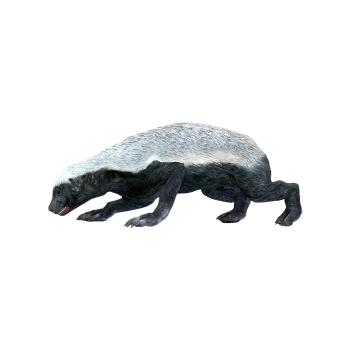
Honey Badger (3D animated model)
192 View
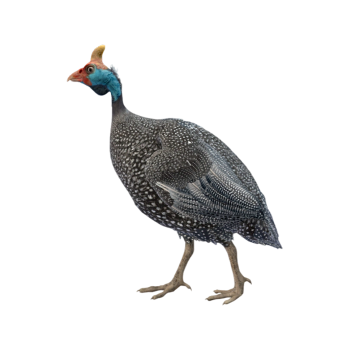
Guinea fowl (3D animated model)
163 View
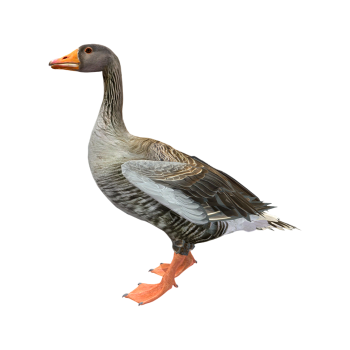
Wild Goose (3D animated model)
185 View

Red Fox (3D animated model)
153 View
Random Model

F1 2022 Mercedes silver painting
869 View


Israeli MerkavaMk4 main battle tank
669 View

American YF-23BlackWidowII fighter
704 View


Rossa GT LM 2023 Racing
659 View

Fairchild Channel F System II
640 View


armchair
625 View
